Author name: Dr. Elena Vasquez

Dr. Elena Vasquez is a cultural anthropologist whose doctoral thesis at the University of Barcelona examined Mesoamerican ball games as ritual performance. Her research spans Mancala traditions across sub-Saharan Africa, Silk Road game transmission, and the ethnographic study of play in indigenous communities. At ancientgames.org, she serves as fact-checker and editorial advisor, ensuring archaeological accuracy and cultural sensitivity across all published content.

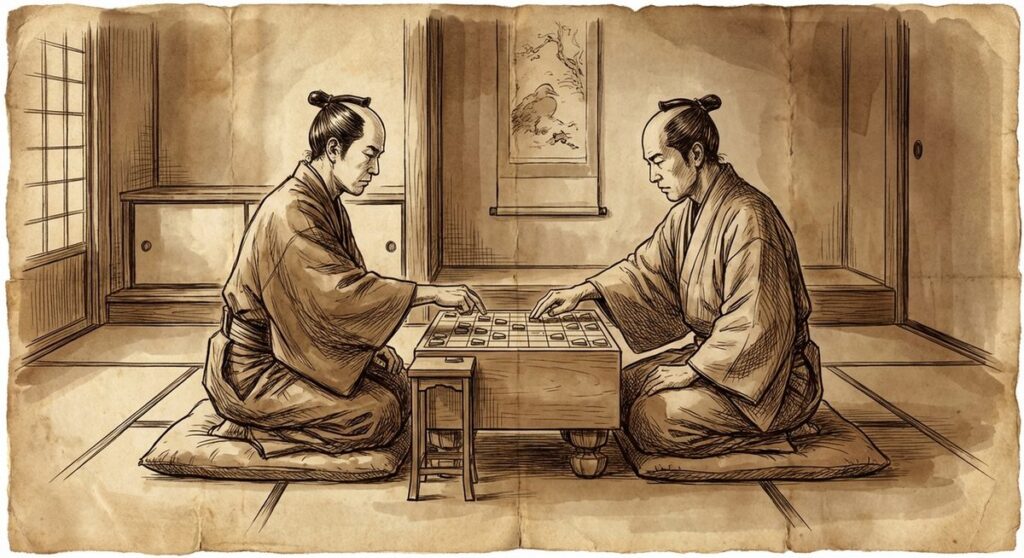
Chess vs Shogi vs Xiangqi: Three Paths from Chaturanga

Three of the world’s most-played strategic board games — chess, shogi, and xiangqi — share a single common ancestor: the Indian game of Chaturanga, played around 600 CE. From that root, the game travelled west through Persia and the Islamic world to become modern chess, east into China to become xiangqi, and from China to […]

Chess vs Shogi vs Xiangqi: Three Paths from Chaturanga Read More »

When Was Chess Invented? A Complete Timeline

Chess as we know it today — 64 squares, 32 pieces, fixed rules — was not invented. It was distilled. Over roughly 1,500 years, the game travelled from northern India through Persia, across the Islamic world, and into medieval Europe, picking up and shedding rules at every stop. The single moment most historians point to

When Was Chess Invented? A Complete Timeline Read More »

Sugoroku: Japan’s Ancient Race Game and Its Many Forms

A Game of Two Worlds In modern Japan, the word sugoroku (双六) evokes warm memories for millions: family gatherings around colorful board games during New Year celebrations, children rolling dice and racing tokens through whimsical illustrated tracks. It is, on the surface, Japan’s answer to Snakes and Ladders or the Game of Life — simple,

Sugoroku: Japan’s Ancient Race Game and Its Many Forms Read More »

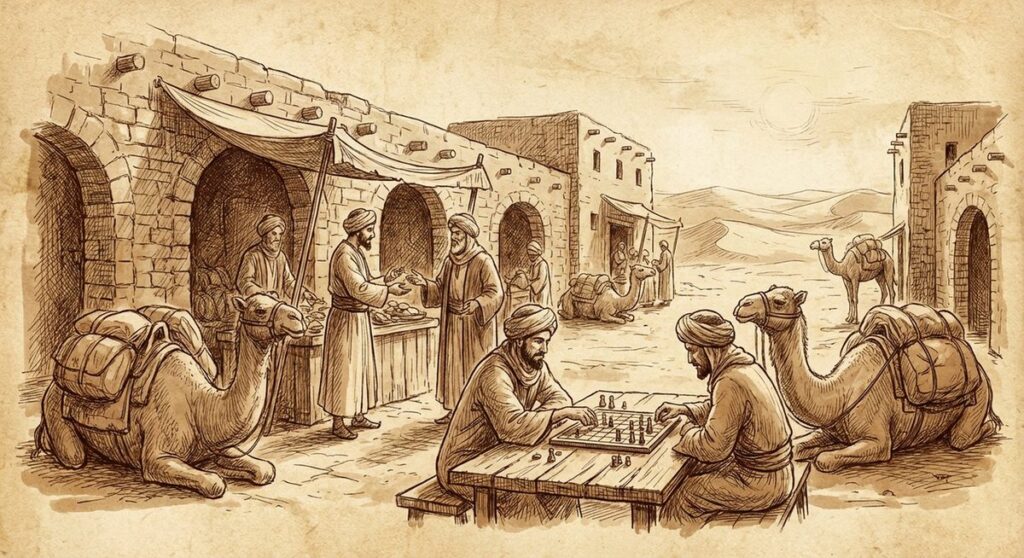
Games of the Silk Road: How Trade Routes Spread Ancient Games

The Greatest Game Migration in History When we think of the Silk Road, we imagine camel caravans laden with silk and spices, moving slowly across deserts and mountain passes connecting East and West. We think of merchants, monks, and diplomats traversing thousands of miles between Chang’an and Constantinople. But among the bolts of silk, the

Games of the Silk Road: How Trade Routes Spread Ancient Games Read More »

Board Games in Ancient Art: Visual Evidence of Play Across Civilizations

When Artists Captured the Act of Play Games leave behind game boards and playing pieces, and these physical artifacts tell us much about what ancient people played. But there is another category of evidence — equally important and often more revealing — that tells us how they played: art. Across the ancient world, artists depicted

Board Games in Ancient Art: Visual Evidence of Play Across Civilizations Read More »

Oware, Bao, and Kalah: Regional Mancala Traditions Around the World

A Family of Games That Spans the Globe Across the sun-baked villages of West Africa, the highland plateaus of East Africa, and the suburban living rooms of mid-century America, a deceptively simple act unites players across centuries and continents: the sowing of seeds into rows of hollowed pits. This is Mancala — not a single

Oware, Bao, and Kalah: Regional Mancala Traditions Around the World Read More »

Pachisi: India’s Royal Game That Conquered the World

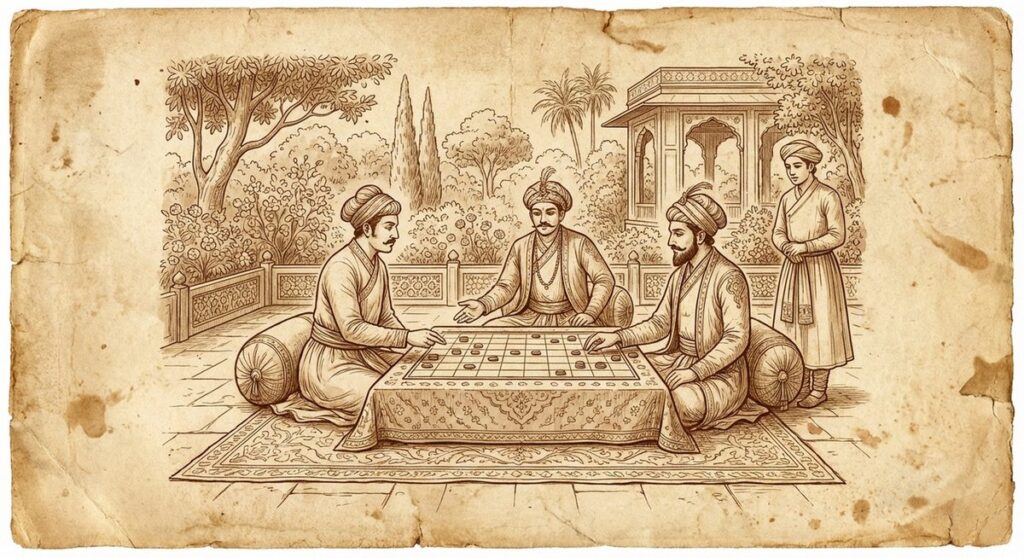
In the magnificent courtyard of Fatehpur Sikri, the red sandstone palace complex built by Mughal Emperor Akbar the Great in the 16th century, an extraordinary spectacle once unfolded. The emperor himself sat elevated on a central platform, directing beautifully dressed courtiers and slave girls across a giant cross-shaped board inlaid into the palace courtyard. These

Pachisi: India’s Royal Game That Conquered the World Read More »

Scroll to Top